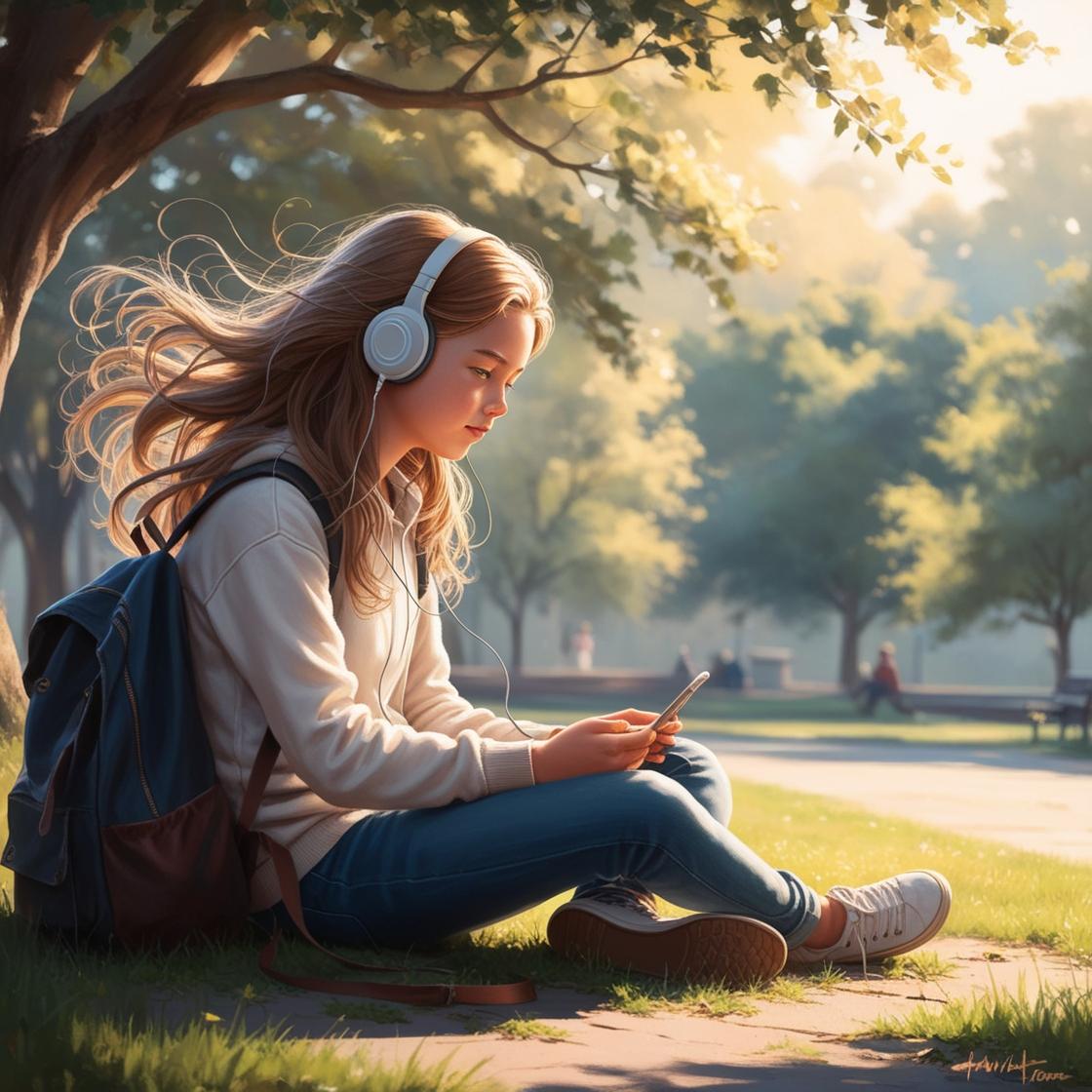
Description
The pseudonym "Makosh" reflects the student's emotional depth, inner sensitivity, and need for protection. In Slavic mythology, Makosh is a goddess of fate, motherhood, and hidden strength—qualities that parallel the girl's social anxiety, strong bond with her mother, and quiet resilience. Though withdrawn and disengaged, she carries untapped potential. The name symbolizes her inner world, emotional vulnerability, and the hope for stability and understanding.
SIGNS OF STUDENT DISENGAGEMENT
Cognitive Profile
Makosh is a smart girl with normal cognitive functioning. Her attention is sometimes disrupted, likely due to external factors and her emotional state. She frequently shows signs of illness that affect her school attendance and concentration. A psychiatrist has diagnosed her with social anxiety. When she comes to school, she often stays only a few hours before becoming nervous and leaving because she doesn’t feel well.
Academic Performance
Teachers have reported concerns about Makosh’s low academic performance. She shows little interest in school subjects, except for English. She has poor grades in other subjects and lacks confidence in her academic abilities. She does not express interest in future educational or career goals.
Makosh does not enjoy reading in Bulgarian and prefers reading in English, which she understands well. Her handwriting is clear, but she lacks motivation and writes slowly. She finds mathematics and problem-solving difficult and is reluctant to make consistent efforts to improve in these areas.
Class Participation
She often avoids participating in class discussions or group work. She appears calm but disengaged during lessons. Makosh completes homework and tasks only if they are individual. She behaves well in class but reports that it is too boring for her. Some signs of inattention are present, which may be linked to excessive screen time.
Social Interaction
Makosh is socially isolated in class and does not have friends there. Although some classmates have tried to connect with her, she remains passive and unresponsive. During the summer, she experienced a conflict on social media with a classmate. She prefers communicating with teachers, where she feels safe. She is very close to her mother. According to her mother, Makosh has one female friend outside of school, with whom she meets in parks and shares common interests. Her mother believes that Makosh finds her classmates uninteresting, which explains her lack of interaction. Psychologists, however, attribute this to poor social skills.
Adaptability
The student struggles to adapt to new situations. She has been at our school for a year and a half and previously attended two other schools. Her mother believes that the high academic expectations at those schools contributed to her current anxiety. While her mother says Makosh did not have friends at her previous schools either, teachers believe the parents may underestimate the severity of this issue.
Self-Esteem and Motivation
Makosh has very low self-esteem, poor academic motivation, and lacks initiative to engage socially at school. She is more active on social media and is highly sensitive to negative comments online. Several negative experiences on social media have further damaged her self-esteem.
Behavioral Issues
She is quiet and does not present behavioral issues. However, she is consistently late for school. At home, she expresses that she does not want to attend school. Her mother supports her decision to stay home, finding school attendance too difficult for her. Her absences are excused with medical documentation. She has not been involved in any disciplinary actions.
LEARNING STYLE
Makosh’s learning style is characterized by strengths in visual and verbal processing. She does not engage in discussions, verbal explanations, or conceptual reasoning. She prefers to study using video materials. She follows instructions during individual work but is unable to do so in the classroom due to her social anxiety. She performs better academically when working one-on-one with teachers. Her motivation increases significantly when she feels supported and receives positive peer connections.
PERSONAL CHALLENGES
Living Conditions
Makosh lives in adequate or above-average material conditions. She has access to various technologies and internet at home. However, she spends significantly more time engaging with technology than socializing.
Parental Support
There have been meetings with the family. The family supports Makosh’s academic progress by providing all necessary materials and private tutoring. However, they do not insist that she attend school if she doesn’t want to. There are no clear boundaries in the family; she is allowed to spend unlimited time online, even during school days. She refuses to attend individual therapy sessions, both at school and externally, and the family also declined participation in family therapy.
The school psychologist believes the parents are overly accommodating and do not enforce rules or limits at home. The mother is sympathetic to her daughter’s struggles and accepts her reluctance to attend school.
Emotional and Behavioral Factors
Makosh has an official diagnosis under the ICD-10 classification: Social Anxiety Disorder (F40.1). She is unwilling to meet with the school counselor. Although there have been a few meetings, she does not express a desire to communicate with teachers, counselors, or peers about her struggles.