Description
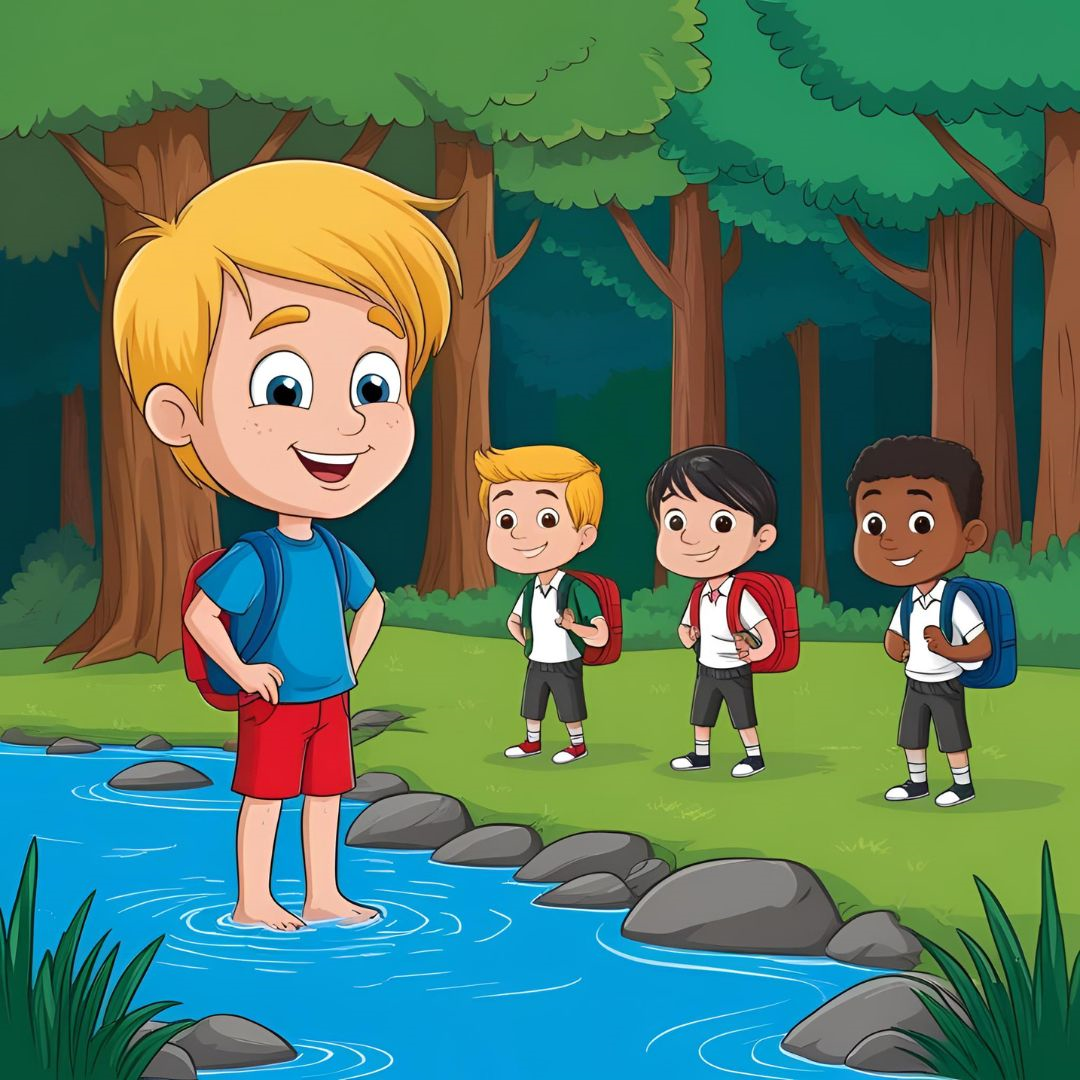
Tom Sawyer was chosen as a pseudonym because he represents a curious, imaginative, and rebellious boy who constantly challenges rules and authority. Like the original literary figure, he hides his emotional vulnerability behind a mask of courage, independence, and humor. The name captures the student’s inner conflict between the desire for freedom and the longing for belonging and recognition among peers. It also symbolizes a search for identity and self-expression, making it a fitting and meaningful choice for this case study.
SIGNS OF STUDENT DISENGAGEMENT
General Overview>
Tom Sawyer is not a very good student. He was a curious and imaginative child, always eager to explore new places and learn practical skills. He has difficulties with social relationships and shows poor emotional and behavioral regulation. He does not accept that, at his age, parents and teachers are meant to guide students. He has low motivation and often does not want to go to school. His parents support this unwillingness.
Academic Performance
Tom Sawyer performs poorly in Bulgarian language, foreign language, geography, biology, and history. His grades are low, and there has been a noticeable decline in academic performance after starting 5th grade. He has read only one book, which is exactly about his interest. He often does not complete his homework. His attention in class is poor. His parents don't support him with learning at home. During lessons, he frequently thinks about his ideas for machines, developing his farm, and fishing strategies. He is good at practical problem-solving, but finds it difficult to study theoretical content.
Behavioral and Social Aspects
Tom Sawyer does not participate in class. He says that the lessons are not interesting for him because they are meant for younger children. He frequently asks to leave the classroom to go to the toilet during lessons.
He often argues with teachers and classmates. His frequent conflicts with peers involve both physical and verbal aggression. He has poor impulse control in some situations. When he feels wronged, he tends to plan how to take revenge on the other student. Other students keep their distance, comment on his words and actions, and he has become socially isolated.
He adapts well to unexpected events or classroom changes. However, despite being in the 5th grade, he still has not adapted to his role of a student.
Emotional and Personal Factors
Tom Sawyer shows pride in his abilities, but his self-esteem is low because he seeks recognition and acceptance from his peers. He feels different from others and has a poor relationship with at least one classmate. He wants to have more friends, but usually during breaks he teases the other students.
There are reports of disruptive behavior and conflicts with both teachers and classmates. He frequently displays challenging behavior.
Learning Style
Tom Sawyer prefers taking a practical, hands-on approach to learning. He is attracted to new challenges and experiences, and to carrying out plans. He loves participating in hands-on activities such as experiments and simulations. He feels motivated if he is included in any activity which he
thinks are for adults.
Personal Challenges
Tom Sawyer’s family is stable. His father holds a leadership position, while his mother is the one mostly in contact with teachers. His father is an important role model for him. The family has no socio-economic difficulties or external stressors that would affect his academic engagement. However, the family is not involved in supporting his educational goals. They tend to blame teachers for his behavioral problems.
The family lives in good conditions, but their lifestyle is different from the typical urban environment. They spend most of their time on the farm, where Tom has a great deal of freedom.
His parents and caregivers do not show strong commitment to his learning. They believe that teachers are fully responsible for both his academic performance and behavior at school. They rarely share their struggles in managing his behavior at home.
Although Tom tries to appear brave and unaffected, he feels uncomfortable about his grades and his position in the class. His sadness is hidden behind his refusal to go to school and his criticism of the immaturity of his classmates.