Description
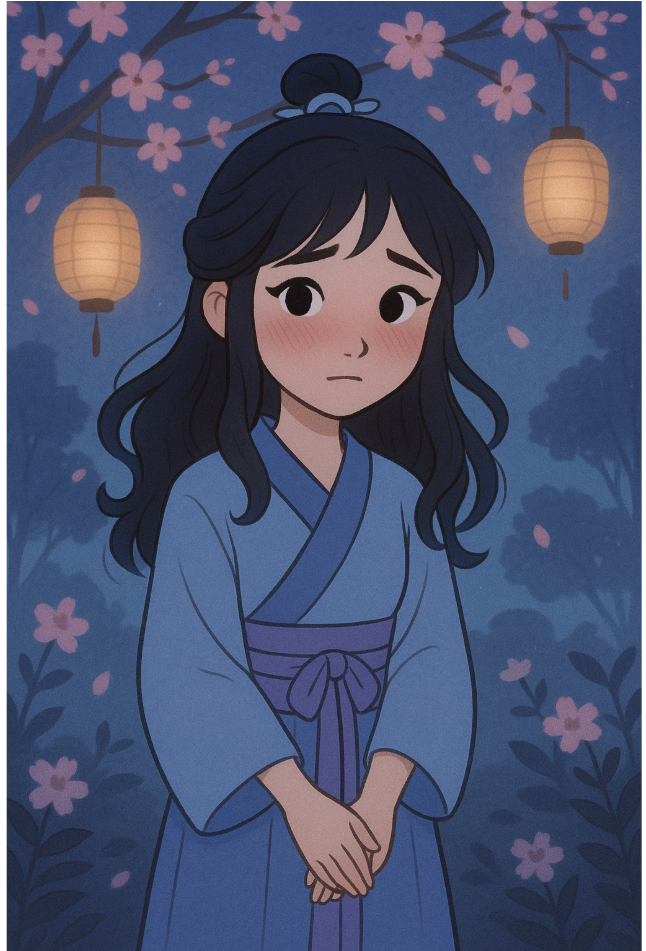
Turandot, the enigmatic princess from Giacomo Puccini’s final opera, embodies strength, intelligence, and the struggle between fear and openness. In this case study, Turandot represents a student whose apparent detachment conceals deep sensitivity and a need for trust. Like Puccini’s heroine, she builds protective barriers through silence and introspection, yet her journey reflects an inner awakening — a gradual rediscovery of voice, emotion, and connection. Her name symbolizes resilience, self-discovery, and the courage to let others in.
SIGNS OF STUDENT DISENGAGEMENT
General Overview
Turandot is a 12-year-old student with no official diagnosis or certification of learning disorders. Nonetheless, she exhibits signs of academic and emotional disengagement. Her school attendance is irregular, and she tends to remain socially isolated in the classroom environment. Although she does not display overt behavioral issues, Turandot appears withdrawn and often refrains from participating in group discussions or collaborative tasks.
ACADEMIC AND PERSONAL PROFILE
Mathematics and Logical Reasoning
Turandot consistently struggles with mathematical reasoning, particularly when required to follow structured, multi-step processes. She often loses track of the logical thread of a problem and finds abstract reasoning tasks challenging. These difficulties affect her confidence in the subject and contribute to her overall sense of disengagement.
Oral Expression and Selective Mutism
Due to marked shyness and social anxiety, Turandot sometimes displays selective mutism, especially during oral presentations or classroom interactions. Her voice may be barely audible, and she avoids eye contact, often choosing silence as a coping strategy.
Reading and Writing
Turandot reads extensively and finds great comfort and peace in literature. Reading is her refuge, and she often references stories or characters during private reflections. She writes very well, with depth, originality, and sensitivity. However, she is reluctant to share her written work with teachers or classmates, often keeping her texts private out of modesty or fear of judgment.
Artistic and Physical Expression
She shows a strong inclination toward the arts. Turandot has a remarkable talent for drawing and visual expression, often producing imaginative and technically precise work. She also excels in artistic gymnastics and dance, where she displays both discipline and grace. These are areas where she feels confident and expressive, often more than in verbal or academic settings.
BEHAVIORAL AND SOCIAL ASPECTS
Class Participation
Turandot rarely participates spontaneously. She is attentive but discreet, and her silence often goes unnoticed. Nonetheless, she appears engaged in her own way and shows understanding through written or creative assignments.
Social Interaction
Turandot is socially reserved and tends to limit her interactions to a small circle of peers with whom she feels safe. She does not usually initiate conversations and avoids group dynamics unless specifically supported. When she is not engaged in a close or exclusive friendship, she may display behaviors that seek reassurance or frequent attention from adults. Despite her selective social engagement, she maintains a respectful attitude in class and has not shown signs of open conflict with others.
Adaptability
She finds comfort in routine and structure. Sudden changes in class organization or unstructured activities tend to increase her anxiety and reduce participation.
EMOTIONAL AND PERSONAL FACTORS
- Self-Esteem and Motivation: Turandot exhibits low self-confidence in public settings, especially when required to speak or solve problems aloud. She is self-critical and may underestimate her abilities. However, in environments where she feels safe—such as during artistic activities or individual tasks—she shows pride and motivation.
- Emotional Expression: She internalizes her emotions and tends to isolate herself when feeling overwhelmed. Her reluctance to express her discomfort makes it difficult for teachers to intervene promptly. Encouragement and non-intrusive communication help create space for emotional connection.
- School Attendance: Her attendance has been inconsistent, with noticeable absences particularly during emotionally intense periods or school events involving large groups or oral presentations.
Support Needs and Recommendations
- Emotional Safety and Trust-Building: Develop long-term, trusting relationships with one or two adult figures at school to foster emotional security.
- Gradual Exposure to Oral Tasks: Introduce oral activities progressively, starting with short, predictable interventions (e.g., reading a sentence aloud) and always in low-pressure contexts.
- Art and Expression-Based Learning: Integrate art, movement, and storytelling into her learning process to capitalize on her strengths and increase engagement.
- Alternative Assessments: Prioritize written, visual, or project-based evaluations rather than oral or timed assessments.
- Literary Engagement: Incorporate her interest in reading through literature-based assignments that allow reflection, creativity, and personal connection.
- Math Support: Use concrete, visual supports and step-by-step reasoning strategies in math. Scaffolded instruction and real-life problem-solving may help her access abstract concepts more confidently.
- Privacy-Respecting Encouragement: Invite her to share her writing when she feels ready, reinforcing the value of her voice and ideas without pressure.
Personal Challenges
- Turandot’s family background appears stable, with no reported socio-economic difficulties or external stressors impacting her academic engagement. While parental involvement is somewhat limited in school life, the family recognizes and supports Turandot’s passions, particularly her exceptional talent in artistic gymnastics and dance, where she consistently demonstrates discipline, dedication, and remarkable skill.
- Living Conditions: There is no indication that Turandot faces challenges related to living conditions or lack of material resources. Her home environment appears to support her artistic pursuits.
- Parental Support: Although her parents do not participate regularly in school initiatives, they are attentive to Turandot’s extracurricular interests and encourage her development in the areas where she excels. Communication with the school is infrequent but cooperative when activated.
Emotional and Behavioral Factors: Turandot shows perseverance and enthusiasm in the fields where she feels confident and autonomous—especially in physical and artistic expression. However, she may experience emotional discomfort or anxiety when confronted with high-pressure academic tasks or unfamiliar social situations. These responses are internalized and manifest as withdrawal or heightened sensitivity, especially when she lacks a secure relational anchor in the classroom. Her behavior does not indicate disruption but rather a need for a supportive and emotionally safe learning environment.