Description
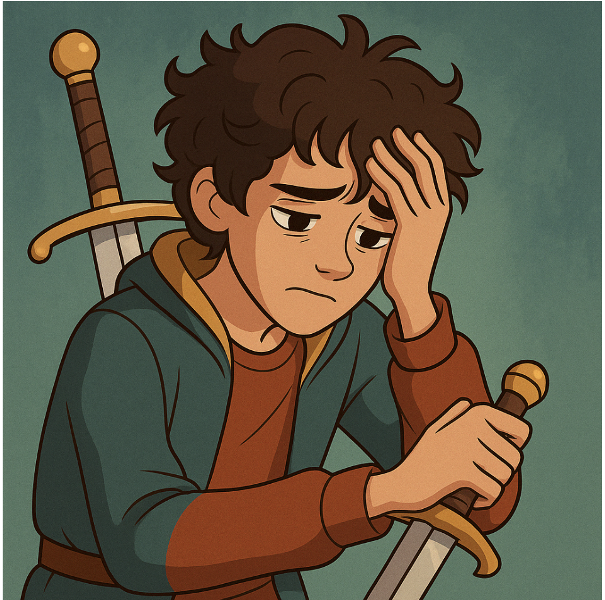
Orlando, the heroic knight from Ludovico Ariosto’s Orlando Furioso, embodies both courage and vulnerability — a symbol of passion, reason, and madness intertwined. In this case study, Orlando represents a student struggling with emotional dysregulation and behavioral challenges, mirroring the inner turmoil of Ariosto’s character. His name evokes the journey from chaos to self-awareness, reflecting the transformative power of empathy, guidance, and meaningful educational support.
SIGNS OF STUDENT DISENGAGEMENT
General Overview
Orlando is a student who has shown a consistent pattern of behavioral and emotional dysregulation, especially in school settings. He often reacts impulsively, disturbs lessons, and occasionally engages in dangerous or inappropriate actions. Despite these behaviors, recent observations suggest that his difficulties stem not from cognitive impairment but from an emotional and conduct adjustment disorder.
Orlando displays pervasive difficulties in emotional self-regulation, impulse control, and behavioral adjustment across all school settings. Episodes of sudden aggression, defiance, inappropriate humor, and impulsive risk-taking behavior have become a recurring challenge. These include leaving the classroom without permission, interfering with digital equipment (e.g., activating unrelated videos on the interactive whiteboard during lessons), throwing objects, mocking teachers and classmates, and engaging in unsafe actions such as spraying flammable substances or placing himself under desks in defiance of basic rules.
His behavioral profile is now officially recognized under the diagnosis of Adjustment Disorder with Mixed Emotional and Conduct Disturbance, confirmed through clinical evaluation by a specialized multidisciplinary team. Notably, Orlando does not present with cognitive delays or ADHD, but suffers from low self-esteem, difficulty identifying emotions, and a tendency to externalize internal discomfort through oppositional and provocative actions.
In addition to poor behavioral self-regulation, Orlando shows signs of social disconnection. He struggles to form positive peer relationships, often becoming the source or target of conflict. At times, he seeks peer attention through disruptive behavior, while also expressing frustration about being placed in a new class without his elementary school friends.
Orlando displays pervasive difficulties in emotional self-regulation, impulse control, and behavioral adjustment across all school settings. Episodes of sudden aggression, defiance, inappropriate humor, and impulsive risk-taking behavior have become a recurring challenge. These include leaving the classroom without permission, interfering with digital equipment (e.g., activating unrelated videos on the interactive whiteboard during lessons), throwing objects, mocking teachers and classmates, and engaging in unsafe actions such as spraying flammable substances or placing himself under desks in defiance of basic rules.
Learning Style
Orlando shows moments of engagement and even curiosity when motivated or in a familiar context. However, he struggles to stay focused, often becomes disruptive, and avoids tasks that trigger frustration. His learning is hindered by low self-esteem, performance anxiety, and difficulty with emotional regulation. He benefits from hands-on, short, and structured activities. Visual aids, peer modeling, and clear behavior expectations help reduce classroom disruptions. His academic performance is currently secondary to behavioral and emotional goals. Teachers adapt materials and expectations, using short, step-based tasks, visual supports, and low-stakes assessments. Learning through games and multimedia platforms has proven helpful.
Personal Challenges
Orlando has difficulty recognizing and expressing his emotions appropriately. He shows oppositional and provocative behavior in the classroom, often stemming from an internal sense of inadequacy. He frequently uses humor or disruptive behavior to gain peer attention or manage discomfort.
At home, there is reported family instability, including reduced paternal involvement and concerns about overuse of technology and gaming. Teachers have noted that Orlando expresses frustration with being separated from former elementary school classmates, which may contribute to his feelings of alienation in the current group.
Despite his challenges, he is capable of showing kindness and collaboration, especially in less structured settings or one-on-one interactions.
The school has developed a Personalized Didactic Plan (PDP) based on the clinical evaluation. Key components include:
- Behavioral monitoring plans, with daily behavior checklists and specific reinforcement systems (e.g., a star chart for tasks completed without incident).
- Positive Behavioral Interventions and Supports:
- Clear, visible classroom rules tailored to Orlando’s needs.
- Consistent routines and structured transitions to minimize opportunities for dysregulation.
- The use of non-verbal signals and pre-agreed cues to de-escalate emotional peaks.
- Social-emotional learning (SEL) activities designed to develop emotional literacy and help Orlando identify, label, and regulate feelings such as anger and frustration.
- Peer mediation strategies in low-risk group work settings, aiming to improve his interpersonal relationships and reduce social isolation.
Therapeutic collaboration
- Observation by clinical specialists from the external service (Studio Evolutiva DSA).
- Individual psychotherapy and family therapy have been initiated.
- Integration of therapeutic recommendations into classroom strategies.
- Structured “reset spaces” or micro-breaks: Orlando is allowed to leave the classroom briefly with supervision when showing early signs of dysregulation. This avoids escalation while preserving learning time for the group.
Despite these interventions, progress is slow and non-linear. While some days reflect increased engagement and fewer disruptions, other days are marked by regression and renewed oppositional behavior. Teachers maintain constant documentation and communication with both family and therapists.