The ENGAGE project (Project Number: 2024-1-IT02-KA220-SCH-000249540) has been co-funded by the European Union. Views and opinions expressed are however those of the author(s) only and do not necessarily reflect those of the European Union or the European Education and Culture Executive Agency (EACEA).

Columbus

Age
13
Country
Poland
Description

Student Profile 
Columbus is a student with a deep interest in geography. He comes from a well-educated and financially stable family, with both parents working in the field of education. Despite his intellectual strengths, Columbus exhibits behaviors that suggest he may be on the autism spectrum. However, no official documentation confirming any learning differences or developmental conditions has been provided to the school. His parents maintain frequent and positive communication with teachers but do not acknowledge any deficits in his learning or social skills. 

Signs of Student Disengagement 
Columbus's disengagement in the school environment manifests in several ways: 

  1. Lack of Participation - Despite possessing strong knowledge, Columbus never volunteers to answer questions in class. He only responds when directly asked by the teacher, demonstrating intellectual ability but a reluctance to engage actively.
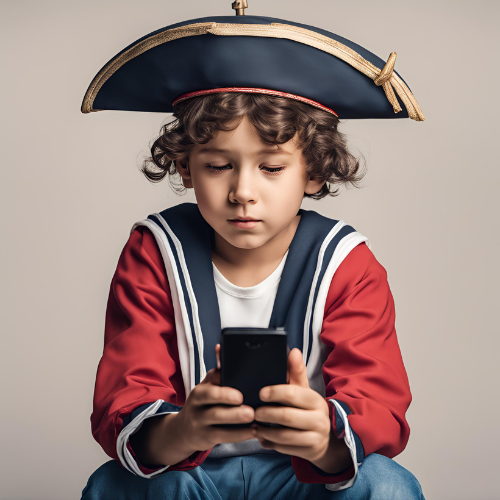
  2. Social Withdrawal - During lessons, Columbus works with his classmates when necessary, but during breaks, he isolates himself. He avoids unnecessary interactions and prefers to play games on his mobile phone, despite school rules prohibiting its use.
  3. Emotional Regulation Challenges - Even minor failures or frustrations lead to extreme self-punishment, such as hitting his head against the wall or striking himself with a book. While his regular classmates have become accustomed to these reactions, new teachers often find them shocking.
  4. Avoidance of Attention - Columbus is highly sensitive to receiving negative feedback. If he receives a disciplinary note, he immediately makes efforts to improve his behavior, expressing fear of his parents' reaction. This suggests an underlying anxiety about meeting expectations.

Learning Style 
Columbus’s learning style is characterized by both his intellectual strengths and his unique challenges:

  1. Strong Academic Potential - Columbus demonstrates a high level of knowledge, especially in geography, his favorite subject. When prompted, he provides correct and insightful answers, reflecting his intellectual abilities.
  2. Passive Learning Approach - Rather than actively engaging in discussions or asking questions, Columbus prefers to absorb information quietly. He does not seek clarification or interact with teachers unless specifically required to do so.
  3. Focus on Structured Tasks - He responds well to clear, direct instructions and structured tasks. However, he struggles with open-ended activities that require collaboration or creative thinking beyond factual knowledge.
  4. Technological Preference - Columbus prefers interacting with technology rather than people. His tendency to play mobile games suggests that digital platforms may be a more effective medium for engaging him in learning activities.

Personal Challenges 

Columbus faces several personal challenges that contribute to his disengagement and emotional struggles: 

  1. Emotional Regulation and Self-Perception - He has an extremely low self-esteem, often describing himself as “stupid” or “worthless.” Even when he succeeds academically, he does not recognize his abilities, which may be contributing to his lack of motivation. His extreme reactions to minor failures suggest difficulty in processing frustration and a tendency toward self-punishment. 
  2. Parental Expectations and Fear of Disapproval - Columbus is highly concerned about how his parents perceive him. He fears their reaction when he receives a disciplinary note, indicating that he places a great deal of pressure on himself to meet their expectations.
  3. Social Isolation - While he has some classmates he works with in structured group settings, he does not seek social interaction outside of required activities. His preference for isolation during breaks further reinforces his disengagement from the school community.
  4. Undiagnosed or Unrecognized Learning Difficulties - Although teachers strongly suspect that Columbus is on the autism spectrum, no official diagnosis or support plan is in place. Without specialized strategies to address his unique needs, he remains unsupported in managing his emotions, social interactions, and learning challenges.

Conclusion 
Columbus’s case highlights the difficulties faced by highly intelligent students who struggle with social and emotional challenges. Despite his academic abilities, his disengagement, low self-esteem, and emotional outbursts significantly impact his overall school experience. Teachers recognize his potential but find it challenging to provide the right support without an official diagnosis or acknowledgment from his parents. 
To help Columbus succeed, it is essential to create a structured, supportive learning environment that fosters his strengths while addressing his emotional needs. Encouraging alternative methods of participation, incorporating technology into lessons, and providing a safe space for self-regulation may help him gradually engage more with his education and peers.

Data Collection Methods

Tools Teachers Used to Observe Columbus’s Learning and Behavior

  1. Classroom Observations - Teachers carefully monitored Columbus’s engagement during lessons, noting his reluctance to participate unless directly called upon. His body language, facial expressions, and reactions to different types of tasks provided insight into his comfort levels and triggers for disengagement.
  2. Behavioral Logs and Incident Reports - Teachers recorded instances of Columbus’s emotional distress, including self-punishing behaviors such as hitting his head against a wall or striking himself with a book. These logs helped identify patterns, such as specific situations that triggered frustration or anxiety.
  3. Performance Tracking and Assessments - Columbus’s test results, written assignments, and classroom exercises were compared over time. His strong academic performance, despite minimal participation, indicated a high level of intellectual ability.
  4. Peer Interaction Analysis - Teachers observed how Columbus interacted with classmates in group activities. While he cooperated when necessary, his tendency to isolate himself during breaks and avoid casual social interactions was noted as a key concern.
  5. Teacher-Student Conversations - Individual discussions with Columbus provided valuable insights into his self-perception and motivations. His fear of receiving disciplinary notes and strong desire to avoid disappointing his parents were clear indicators of his internal struggles.
  6. Collaboration with Parents - Regular meetings with Columbus’s parents allowed teachers to share their observations and compare his school behavior with his behavior at home. Although his parents did not acknowledge any learning or developmental challenges, their engagement helped bridge communication between school and home.
  7. Technology and Disengagement Monitoring - Teachers took note of Columbus’s heavy reliance on his mobile phone, particularly during breaks. This behavior suggested a preference for digital interaction over social interaction, leading to discussions on how technology could be integrated into his learning to increase engagement.

By combining these tools, teachers developed a well-rounded understanding of Columbus’s strengths, challenges, and needs, allowing them to tailor their approach to better support his academic and emotional development.

Subjects involved

Student’s Perspective
Columbus perceives school as a structured but emotionally challenging environment. He enjoys learning, particularly geography, but feels overwhelmed by social interactions and expectations of active participation. He avoids attention in class and prefers to withdraw into his own world, often using his mobile phone as a coping mechanism. His fear of failure and his extreme reactions to mistakes indicate deep-seated anxiety and low self-esteem. Columbus wants to do well and avoid disappointing his parents, but he struggles with his emotions and does not know how to ask for help. 

Teachers’ Perspective
Teachers recognize Columbus’s intellectual potential but are concerned about his lack of engagement and emotional struggles. While he is capable of high academic performance, his refusal to participate unless directly asked limits his growth. His self-punishing behaviors alarm new teachers, and even experienced educators struggle to find the best ways to support him without official documentation of any learning differences. Teachers wish they had more formal guidance or resources to help him regulate his emotions and build confidence in his abilities. 

School Leaders’ Perspective
School leaders view Columbus’s case as a complex challenge that highlights the importance of early intervention and parental cooperation. While they respect the parents’ decision not to provide documentation of any diagnoses, they believe additional support should be in place for Columbus’s well-being. They recognize the need for teacher training on supporting neurodiverse students, particularly those without official diagnoses. Additionally, school leaders consider implementing strategies to make classrooms more inclusive for students like Columbus, including differentiated instruction and emotional support mechanisms.

Counselors’ Perspective 
Counselors see Columbus as a student struggling with anxiety, self-esteem issues, and possible undiagnosed autism. His extreme reactions to failure and withdrawal from peers indicate a need for emotional and social support. However, without a formal diagnosis or parental acknowledgment, providing targeted interventions is challenging. Counselors would like to build a trusting relationship with Columbus and introduce structured emotional regulation strategies. They also see a need for parent education on how to support Columbus’s emotional needs at home.

Parents’ Perspective 
Columbus’s parents are engaged and communicative with the school, but they do not acknowledge any learning or developmental difficulties. They want their son to succeed and are involved in his education, but they may not fully recognize the extent of his struggles with self-esteem and social interaction. Their high expectations and Columbus’s fear of their disappointment suggest a need for open discussions about emotional well-being. While they are supportive of academic achievement, they may benefit from guidance on fostering resilience and self-acceptance in their son. 

Conclusion
Columbus’s case demonstrates the challenges of supporting a bright but emotionally vulnerable student without formal recognition of his needs. While he has strong academic abilities, his self-isolation, anxiety, and fear of failure prevent him from fully engaging in school life. A collaborative approach between teachers, school leaders, counselors, and parents is essential to help Columbus develop confidence, emotional resilience, and a more positive school experience.