Luminita
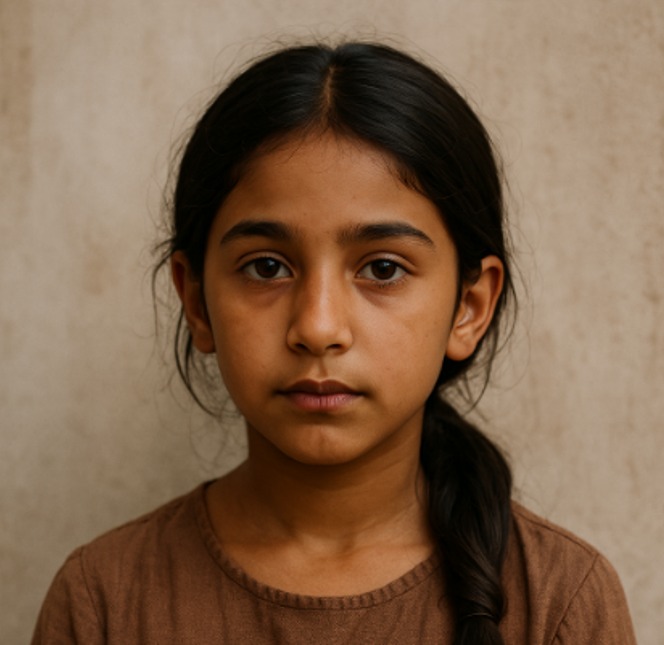
Subjects involved
Student
"Sometimes I want to speak in class, but I'm scared I'll say something wrong. I understand better when I can explain myself. I like school… but only when no one laughs or talks about me, my clothes, from behind. At home, I help my family a lot. Sometimes I don't have time for homework."
Teachers
"Luminita is incredibly quiet, almost invisible during regular lessons. There's something special in her, but it's buried under fear, silence, and low confidence. She needs consistent support and a space where her voice feels safe."
“She fades into the background, I wish we could reach her more often or have more time for her.”
School Leaders
"Luminita’s situation reflects a larger challenge in reaching Roma girls through traditional education models. We must involve her family more and create culturally responsive learning opportunities. Otherwise, we risk losing her to silence and social expectations that don't value her staying in school."
Parents
"We don't think girls need to study so much. It's enough if they know how to read, write a little, and help around the house. Luminita helps with her younger siblings and chores - that’s more useful for her future. We’ve joined some school meetings before, but honestly, school is not a big priority in our family."
“School is not everything. Girls should help at home and learn how to manage a household. That’s more useful in our family.”
Family impact, peer influence, and environment are topics addressed within the educational community. Personal factors are also considered, but parental disengagement and cultural resistance to continued educational engagement pose a barrier to assessment.
The educational community highlights the difficulties of implementing support strategies, as parental involvement is minimal and there are no specific or structured programs for identifying and supporting Roma students. Parents do not recognize their child's difficulties (self-confidence or isolation issues) and show limited interest in the support options offered by the school. Lack of communication with teachers and peers, absences, and a Roma family environment that limits the scope of support initiatives (the family prioritizes household responsibilities over academic success).
Luminita's aspirations are not considered by the family (her desire to better understand lessons, her lack of self-confidence, her difficulties expressing herself in Romanian, her creativity): the student must be torn between the demands of school and the cultural aspirations of the family.
Her case demonstrates the need to find support solutions for these students with significant cognitive, behavioral, social, and emotional difficulties. But these solutions can only be found by establishing a relationship of trust with the family.
